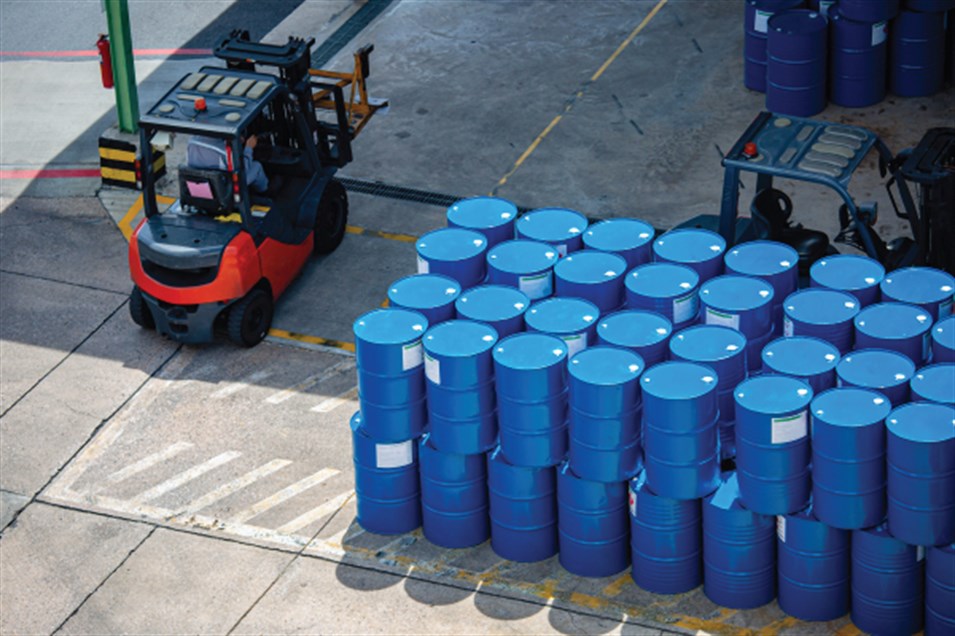
Chemical Logistics is the process of organizing and managing the flow of chemicals and related materials from suppliers to manufacturers and consumers.
This process ensures that the right chemicals are delivered to the right places at the right times. Chemical logistics can involve transportation, storage, inventory management, and security.
The chemical industry is a major provider to the global economy. United States, accounts for more than $770 billion in annual sales and employs more than 1.1 million people all over the world. The chemical industry is also a major consumer of logistics services.
To keep up with the high demand for chemical products, companies need to have a well-organized and efficient chemical logistics operation.
There are several challenges involved in chemical logistics. One of the biggest challenges is ensuring the safe delivery of chemicals.
To do this, companies need to have a comprehensive understanding of the hazards associated with each chemical and the proper handling procedures. They also need to have a secure transportation network that can safely deliver chemicals to their destinations.
Another challenge is managing inventory. In the chemical industry, inventory can be very volatile and can quickly become outdated. Therefore, companies need to have a system for tracking inventory and also ensure that it is used efficiently.
As chemical logistics needs to work in compliance with the government regulations
an effective system for tracking the movement of chemicals becomes mandatory.
To manage the challenges of chemical logistics, companies need to have a comprehensive logistics management system, which should include:
- A system for tracking inventory
- A system for tracking the movement of chemicals
- Procedures for handling hazardous materials
- Procedures for complying with government regulations
- Chemical inventory management
- Chemical handling and transportation
- Chemical storage and loading
- Chemical Disposal
- Chemical inventory management
- Which chemicals are being used
- How much of each chemical is being used
- What are the hazards of each chemical
- Where are the chemicals being used
- Chemical handling and transportation
- Using the correct containers for each chemical
- Labeling each container with the appropriate hazard warnings
- Training employees on how to safely handle and transport hazardous materials
- Having emergency contingency plans always in place
- Storage areas should be well-ventilated and free of ignition
- Materials should be stored as recommended by suppliers
- Containers should be clearly labeled and in good condition
- Workers should be properly trained in safe handling procedures
- Loading docks should be clear of flammable materials and obstructions
- Emergency response plans should be in place in case of accidental release